
Capture Rainfall and Reduce Municipal Dependency
You can collect and store rainwater for irrigation, reuse systems, or supplemental household purposes through a harvesting system designed for seasonal rainfall patterns. In Oak View and Ojai, CA, where hillside properties and variable precipitation make collection valuable, The ECO Store installs gutters, tanks, cisterns, filters, and distribution systems tailored to your home's layout. Capturing runoff helps reduce water loss and maximize resource use during dry months.
These systems support drought-tolerant landscaping and off-grid water goals common throughout Oak View and Ojai, CA. Whether you're irrigating native plants, filling reuse tanks, or supplementing household supply, the setup minimizes dependency on municipal sources while building property resilience. Seasonal storms deliver enough rainfall to make harvesting a practical long-term investment for homeowners committed to conservation.
Explore storage sizing and catchment options today to see how rainwater harvesting fits your Oak View and Ojai, CA property.
Details That Matter Most
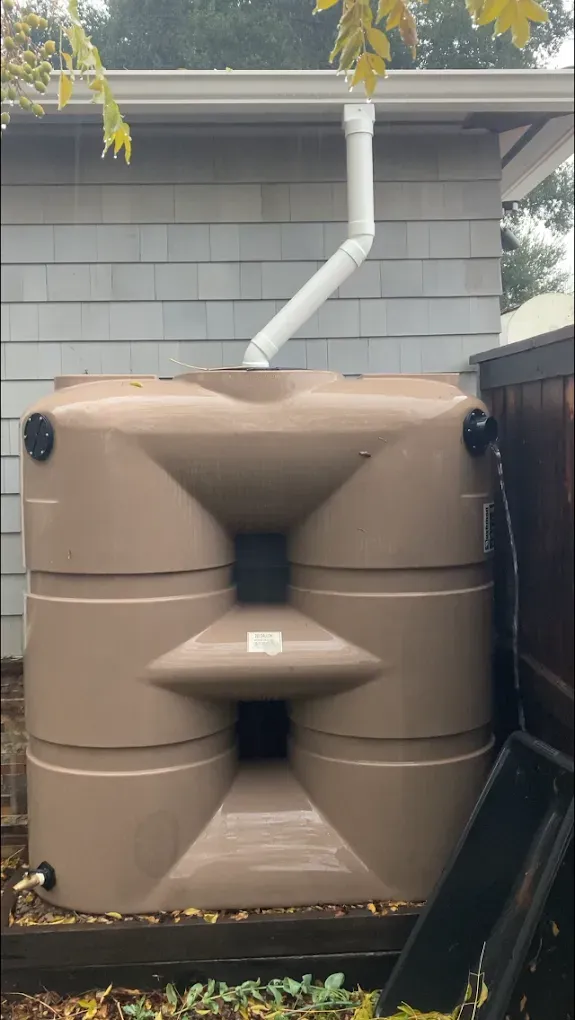
You start with a roof assessment to calculate catchment area and estimate annual rainfall capture potential. In Oak View and Ojai, CA, where seasonal patterns vary, technicians measure roof square footage, gutter capacity, and downspout locations to design an efficient collection system. They recommend tank sizes ranging from 200 to 2,000 gallons based on your landscape needs and available installation space.
The ECO Store handles gutter installation, tank placement, filtration setup, and distribution line connections for seamless operation. The process typically takes one to three days depending on tank size and site preparation requirements. You receive guidance on maintenance schedules, overflow management, and seasonal adjustments to keep your system running efficiently year-round.
Your harvesting system includes first-flush diverters that remove roof debris, screen filters that protect tanks from leaves and insects, and overflow valves that redirect excess water during heavy storms. Cisterns can be installed above ground for easy access or buried to save space and reduce exposure to sunlight. Distribution lines connect to drip irrigation systems or hose bibs, delivering stored water directly to your landscape without manual effort.
How Our Process Works
Homeowners across Oak View, Ojai, Ventura County, Santa Barbara County, CA, and the surrounding areas often have questions about tank placement, water quality, and system capacity when planning rainwater harvesting installations for their properties.
Your rainwater harvesting system builds property resilience while reducing strain on municipal supply during dry seasons and drought periods. Installation includes all necessary gutters, tanks, filters, and distribution lines customized to your home's roof layout and landscape demands. Call or click to schedule your in home consultation.
Every inch of rain on a 1,000 square foot roof produces roughly 600 gallons of water. In Oak View and Ojai, CA, seasonal storms can fill tanks multiple times, providing substantial irrigation supply throughout the year.
Tanks can be placed on level ground near downspouts, on elevated platforms for gravity-fed distribution, or buried underground to save space. Hillside properties in Oak View and Ojai, CA, often use slope to create natural water flow without pumps.
Your rainwater harvesting system builds property resilience while reducing strain on municipal supply during dry seasons and drought periods. Installation includes all necessary gutters, tanks, filters, and distribution lines customized to your home's roof layout and landscape demands. Call or click to schedule your in home consultation.